K-pop, K-DRAMA Korean Culture and Lifestyle: Discover Everything!


K-Pop Dating Scandals 2026: Dispatch, Lovestagram, and Idol Industry Secrets
Dive into the dark side of K-Pop. From Dispatch’s tracking methods to 5th-gen scandals, discover why love is still forbidden. An exclusive report on paparazzi and agency secrets in 2026.
K-POP
4/29/2026
K-Pop Dating Scandals: An Investigative Look at the Industry's Dark Side (2026)
The South Korean music industry is a perfectly oiled machine, but it has one major breaking point: the private lives of its stars. In 2026, as the 5th Generation idols take center stage, the hunt for "secret couples" has never been more intense. Between unscrupulous paparazzi, tabloid press, and fan betrayals, here is the brutal reality behind the neon lights of Seoul.
Paparazzi and "Dispatch": The Art of the Hunt
In South Korea, the name Dispatch makes agencies tremble. This media outlet, specialized in celebrity investigations, has perfected the art of tracking idols.
The Methodology: Months of surveillance, stakeouts in the secured parking lots of Gangnam, and the use of long-range high-tech drones.
The "New Year's Day Couple": This is the world’s most anticipated press event. Every January 1st, Dispatch reveals an "A-List" couple. In 2026, the pressure has intensified with the rise of outlets like The Fact and specialized "Gossip" YouTube channels that have abandoned all ethical codes.
Scandals That Shook Seoul
K-Pop history is littered with relationships that triggered industrial-scale earthquakes:
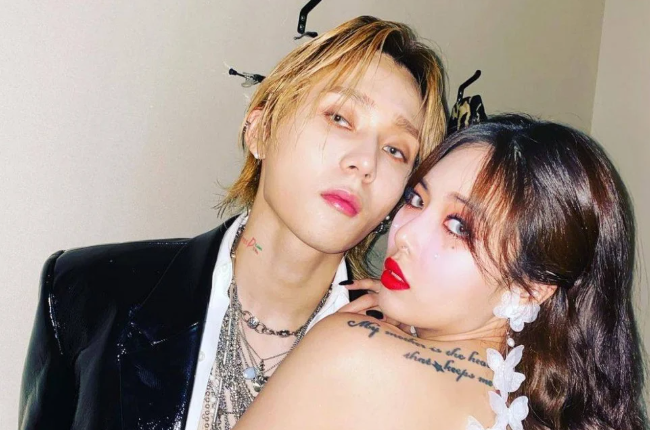
The "Hyuna & Dawn" Precedent: The first major quake where love triumphed over the contract. Their expulsion from Cube Entertainment marked the beginning of a rebellion era.
The Karina (aespa) Incident: The "Protest Truck" phenomenon. In 2024, fans sent LED trucks to SM Entertainment’s headquarters to demand a breakup. This is the textbook definition of a "parasocial relationship," where fans feel a sense of ownership over the idol.
The iCloud Leaks (Jennie & V): In 2022/2023, dating scandals turned criminal with private photo hacks. This forced major agencies like HYBE and YG to drastically upgrade their cybersecurity protocols in 2026.
The Keywords of Controversy:
To understand the stakes, one must master the jargon used by Korean Netizens:
Lovestagram: The art of posting subtle clues on Instagram (same location, same bracelet, a reflection in a spoon). Fans have become expert forensic analysts.
Skinship: Any physical contact, however minimal, that triggers immediate rumors during award ceremonies like the MAMAs or GDA.
Sasaeng Fans: These "stalker fans" who buy flight data or hack CCTV cameras to prove a relationship exists.
FAQ: Secrets of the Scandal Press
How do agencies try to bury scandals? In 2026, the strategy has shifted. Instead of simple denials, agencies often use "News Diversions"—announcing a major comeback or a solo project at the exact moment a dating rumor breaks to flood the search results.
Are idols paid to stay single? No, but their commercial value (brand deals, luxury ambassadorships) depends on their "availability" image. A dating idol can lose up to 40% of their endorsement contracts according to current industry estimates.
Who are "Netizens" and why are they so powerful? Netizens are the citizens of the Korean web. Organized into powerful communities (Nate Pann, TheQoo), they can launch boycott campaigns that force agencies into public apologies.
Conclusion: Is Love a Financial Risk?
In conclusion, the "dating scandal" in K-Pop is an economic construct. As long as the system is built on selling a dream of emotional proximity to the fan, love will remain the number one risk for an idol. However, with the growing influence of international fans in 2026, we are seeing a slow transition toward the acceptance of private lives. The battle between the yellow press and the right to happiness is only just beginning.


© 2026 KpopExclusive.com. All rights reserved.
Collaboration or partnership? Contact KpopExclusive for any inquiries related to K-pop, dramas, and Korean trends.